The most useful blackout preparation is knowing who runs the poles and wires in your street, and getting your name on the right lists before the first storm.
Australia’s tropical cyclone season runs from 1 November to 30 April, and the Bureau of Meteorology’s outlook issued 22 October 2026 points to above average rainfall for large parts of the country from November to January. As at October 2026, the most useful blackout preparation is to bookmark your local network’s outage map, register any life support equipment, and know who to call for faults and for bill help.
Key highlights
- The Australian region averages 10 tropical cyclones a season, with 3 to 4 crossing the coast at cyclone strength, based on seasons since 1980 to 81 (Bureau of Meteorology).
- Since 2000 the average has been closer to 8 to 9 cyclones a season, and the Bureau says future cyclones may be fewer but stronger (Bureau of Meteorology).
- The Bureau’s November to January outlook says rainfall is likely (60% to over 80% chance) to be above average across much of southern and central WA, most of SA and southern Queensland (Bureau of Meteorology, 22 October 2026).
- Registered life support customers must get four business days’ notice of planned interruptions (Energy and Water Ombudsman NSW).
- A closed fridge keeps food cold for about four hours, and a full freezer for about 48 hours (Queensland Health).
What this storm season looks like
The Bureau’s outlook issued 22 October 2026 says a strong El Niño is underway and is likely to peak around November to December. Rainfall for November to January is likely to be above average across large parts of Australia but below average in Tasmania, parts of southern Victoria and the tropical far north. The Bureau is clear that its long-range outlook does not forecast individual storms or cyclones, so check its 7-day forecasts and warnings as the season goes on (Bureau of Meteorology).
The tropical cyclone season officially runs from 1 November to 30 April. Last season showed it can start early: Severe Tropical Cyclone Fina crossed the coast on 21 November 2025, tying the earliest crossing on record (Bureau of Meteorology).
Our existing guide on how to prepare for power outages and emergencies covers the emergency kit, torches and power banks. This post covers the part most people skip: the contacts and registrations you need sorted before a storm hits.
Find your network’s outage map now
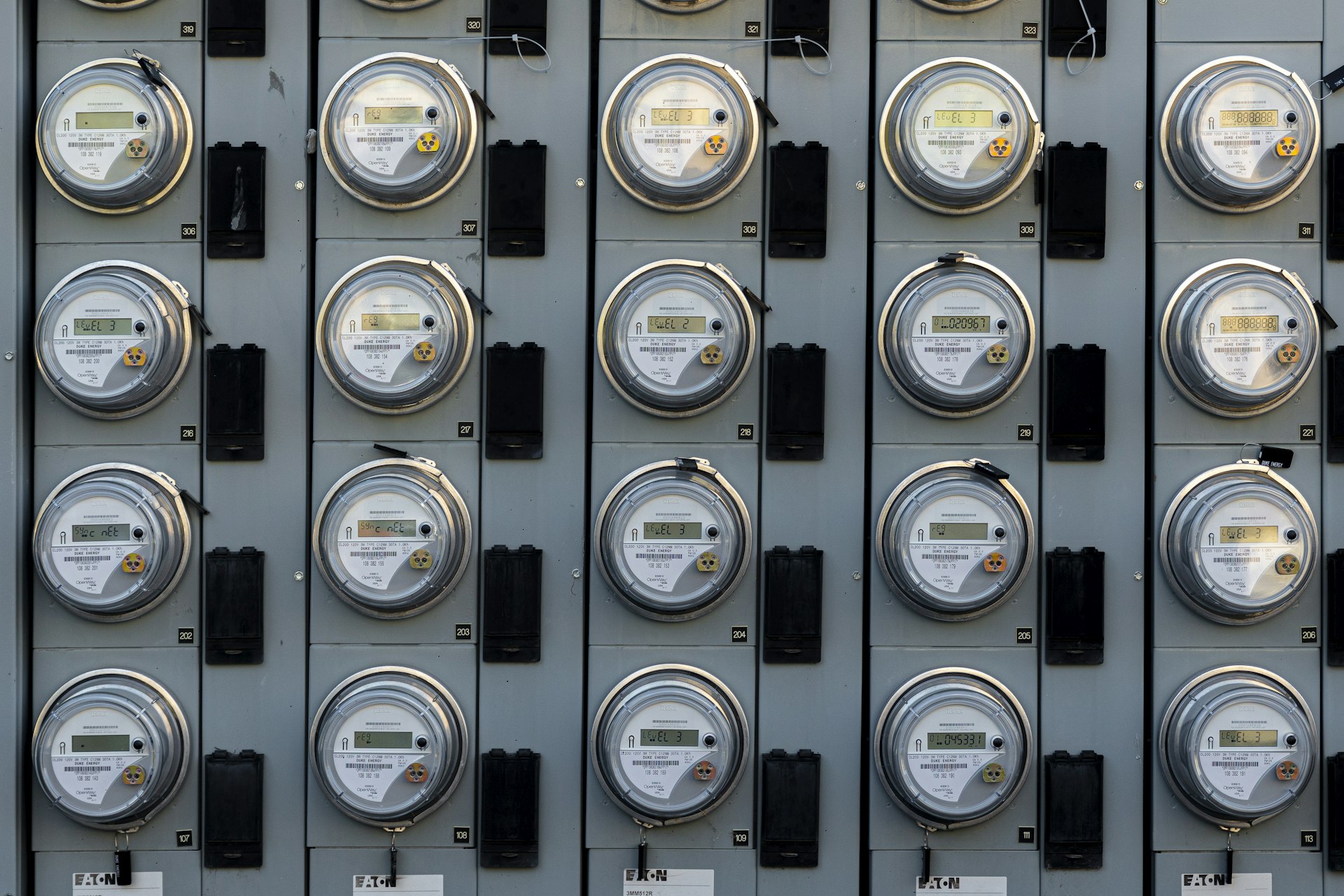
Your retailer sends the bill, but your local distribution network owns the poles, wires and meters, and it is the network that restores power after a storm. Every network publishes a live outage map. Bookmark yours on your phone now, because a storm is a bad time to search for it on a patchy connection.
| State | Network | Outage page |
| NSW | Ausgrid (Sydney, Central Coast, Hunter) | ausgrid.com.au/Outages |
| NSW | Endeavour Energy (Western Sydney, Illawarra, Blue Mountains) | Endeavour outage map |
| NSW | Essential Energy (regional NSW) | Search Essential Energy outages on its website |
| ACT | Evoenergy | evoenergy.com.au/outages |
| QLD | Energex (south-east Queensland) | energex.com.au/outages |
| QLD | Ergon Energy Network (regional Queensland) | ergon.com.au outages |
| SA | SA Power Networks | sapowernetworks.com.au/outages |
| VIC | CitiPower (inner Melbourne) | citipower.com.au/outages |
| VIC | Powercor (western Victoria) | powercor.com.au/outages |
| VIC | AusNet (eastern Victoria) | ausnetservices.com.au/outages |
| VIC | Jemena (north-west Melbourne) | jemena.com.au/outages |
| VIC | United Energy (south-east Melbourne) | United Energy outage map |
| TAS | TasNetworks | tasnetworks.com.au/outages |
Not sure which network you are on? The network name appears on your electricity bill. For a fault or fallen power line, call your network’s faults line, and for anything dangerous call triple zero (000). Always treat fallen lines as live and keep well clear.
Register life support equipment before you need it
If anyone in your home relies on equipment such as an oxygen concentrator, kidney dialysis machine, CPAP machine or ventilator, tell your retailer or your distributor. They must add you to a life support register, and you will need to provide medical confirmation or you may be removed from it. Once registered, your retailer or distributor cannot arrange a disconnection except for planned interruptions, and must give you four business days’ notice of those (Energy and Water Ombudsman NSW).
Registration does not stop storm damage cutting your supply. Unplanned outages can still happen, so anyone on life support needs a backup plan agreed with their doctor, such as a battery backup for the device or a place to go.
Food, money and who to call
Food safety is the quiet cost of a long outage. Queensland Health advises keeping fridge and freezer doors shut: a closed fridge keeps food cold for about four hours, and a freezer will usually not defrost for at least 24 hours if half full or 48 hours if full. Refrigerated food that has been above 5°C for more than four hours should be thrown out, and thawed frozen food should not be refrozen (Queensland Health).
Storms can also mean unexpected bills: spoiled food, repairs, a night away from home. If paying your energy bill becomes hard, contact us early. CovaU’s hardship line is 1300 855 038, and our financial assistance page explains payment plans, extensions and Centrepay. Check the concessions you may be eligible for in your state.
How CovaU can help
CovaU’s support line, 1300 689 866, is open 24/7, so you can reach us about your account outside business hours during storm season. For outages and faults, your network is the right first call because it controls restoration. CovaU signed the Energy Charter’s Knock to Stay Connected program in June 2023.
If you are setting up a new home before summer, our moving home page explains the 3 business days’ notice we need. CovaU holds a TrustScore of 4.8 out of 5 on Trustpilot from 2,197 reviews as of October 2026.
Frequently asked questions
Who do I call when the power goes out in a storm?
Call your local distribution network, which is named on your bill, or check its outage map. Call triple zero (000) if there is a fallen power line or any danger to life.
How do I register for life support with my energy company?
Tell your retailer or your distributor that someone at the address uses life support equipment, then provide medical confirmation. Once registered, you get four business days’ notice of planned interruptions.
How long is food safe in the fridge during a blackout?
Queensland Health says a closed fridge keeps food cold for about four hours. Throw out refrigerated food that has been above 5°C for more than four hours.
When is cyclone season in Australia?
The official tropical cyclone season runs from 1 November to 30 April, according to the Bureau of Meteorology.
Sources
- Bureau of Meteorology: Australian tropical cyclone season
- Bureau of Meteorology: Australian climate outlooks, issued 22 October 2026
- Energy and Water Ombudsman NSW: Life support equipment
- Queensland Health: Food safety after a disaster
- Trustpilot: CovaU Energy reviews
About CovaU Energy
CovaU Energy is a 100% Australian-owned company providing electricity and gas to homes and businesses across Australia. We offer competitive energy plans, top-rated 24/7 customer service, and no lock-in contracts. We also have incredible rewards for our new and existing customers. For more information about our electricity and gas plans, call 1300 111 688 to talk to our energy specialists or request a quote for the rates in your area. You may also compare plans and sign up here directly.