EV batteries lose capacity slowly, and the data shows which habits speed that up and which ones barely matter.
Most electric vehicle batteries lose about 2% of their capacity a year. Telematics company Geotab’s April 2026 analysis of 21 vehicle models found an average of 2.3% a year, which projects to about 82% of original capacity after eight years. In Australia, battery warranties commonly run eight years or 160,000 km, and Transport for NSW says many now offer ten years or up to 240,000 km.
Key highlights
- Average degradation across 21 make-models was 2.3% a year, projecting to 81.6% state of health after eight years (Geotab, April 2026).
- Eight of 11 established models tracked since 2023 have settled at about 1.4% a year (Geotab, April 2026).
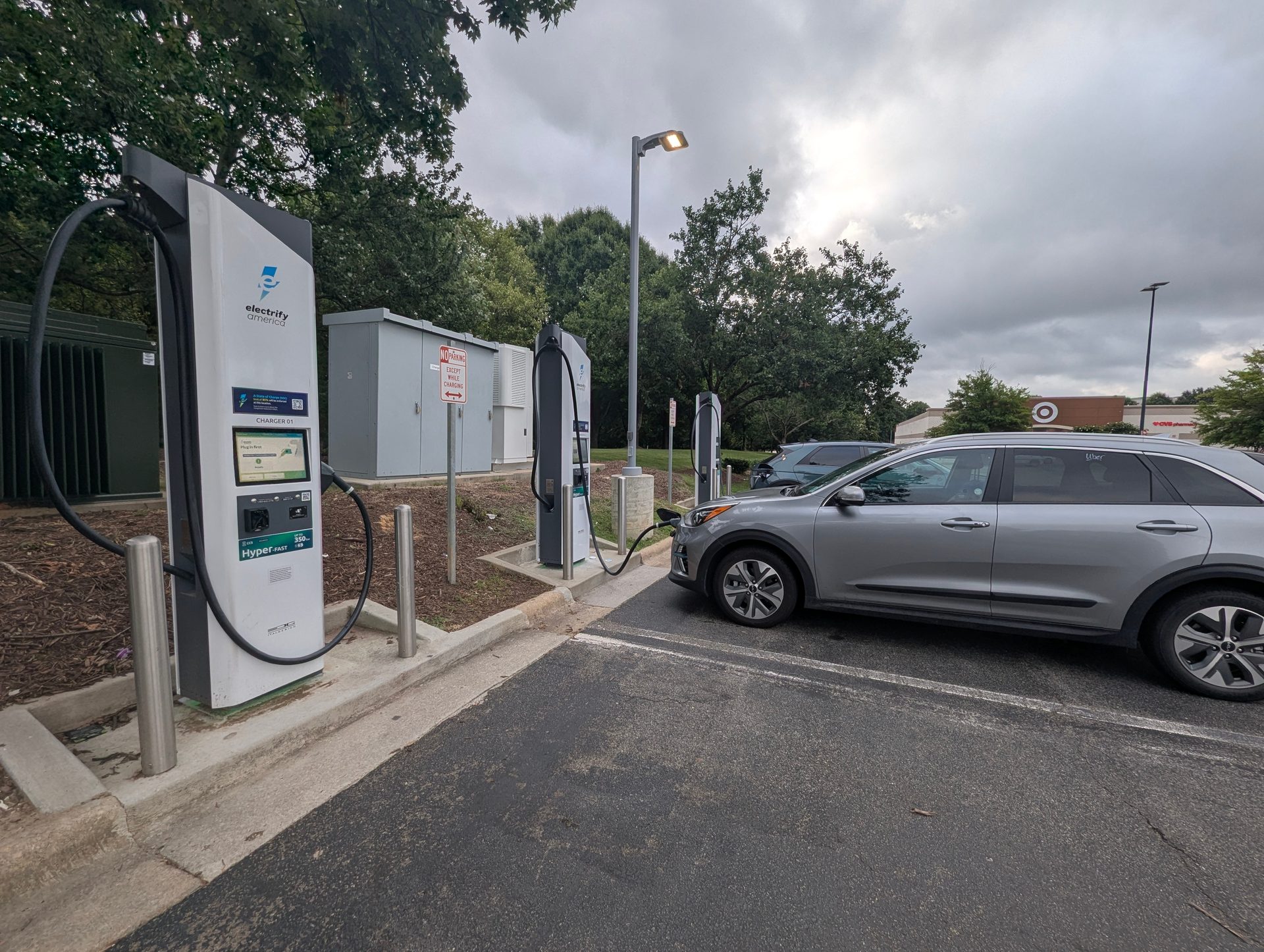
- Frequent high-power DC fast charging was the biggest stressor: 3.0% a year versus 1.5% for vehicles that rarely fast charge (Geotab, April 2026).
- Vehicles in hot climates degraded 0.4% a year faster than those in mild climates (Geotab, April 2026).
- Transport for NSW says most EV batteries now carry a 10-year warranty or up to 240,000 km (Transport for NSW).
What battery degradation actually means
Every lithium-ion battery slowly loses some of the energy it can store. Engineers call the remaining share its state of health. A car that started with 400 km of range and sits at 90% state of health will now manage about 360 km on the same full charge. The car still drives the same way; you just stop a little sooner.
The good news from recent data is that loss is gradual and fairly predictable. Geotab’s first big study in 2020 found 2.3% a year, its 2023 analysis found 1.8% across 11 common models, and its April 2026 update is back at 2.3% across a larger set of 21 models. Geotab attributes the return to 2.3% to newer vehicles, more high-power charging and heavier use in its data set, not to batteries getting worse. The older established models in its sample have stabilised at about 1.4% a year (Geotab, April 2026).
Transport for NSW goes further, saying manufacturers now expect EV batteries to outlast the vehicles themselves and that recent EVs have shown degradation of only around 8 to 10% after 260,000 km (Transport for NSW).
What wears a battery faster
Geotab grouped vehicles by how they were charged and where they were driven. These are fleet averages, so your own car may do better or worse.
| Factor (Geotab grouping) | Average degradation per year |
| Rarely DC fast charges (under 12% of sessions) | 1.5% |
| Often fast charges, mostly below 100 kW | 2.2% |
| Often fast charges, frequently above 100 kW | 3.0% |
| Light cars, all charging types | 2.0% |
| Vans and multi-purpose vehicles | 2.7% |
Two findings matter most for Australian drivers. First, heat: vehicles that spent more than 35% of days above 25°C degraded 0.4% a year faster than those in milder conditions. Battery management systems soften this, but parking in shade or a garage still helps. Second, fast charging: Geotab’s frequent high-power group is projected to keep about 76% of capacity after eight years, compared with 81.6% for the average vehicle (Geotab, April 2026).
What matters less than people think
The common advice to keep a battery between 20% and 80% at all times is stricter than the data supports. Geotab found degradation only speeds up when a vehicle spends more than 80% of its total time at very high or very low charge. Charging to full before a long drive, or running low occasionally, makes little measurable difference. What you want to avoid is leaving the car parked at 100% or near empty for days at a time (Geotab, April 2026).
Daily distance also matters less than you might expect. High-use vehicles do degrade a little faster, but Geotab describes it as a measurable but worthwhile trade-off given the extra kilometres delivered.
How EV battery warranties work in Australia
A battery warranty usually has two limits: a time or distance cap, and a minimum capacity the battery must keep. The 8 year or 160,000 km pattern is still common. For example, CHOICE lists the 2026 Hyundai Elexio with an 8 year or 160,000 km battery warranty (CHOICE). Transport for NSW says many manufacturers have extended this to ten years or up to 240,000 km as batteries have proved more reliable than expected (Transport for NSW).
Before you buy, check three things in the warranty booklet: the minimum state of health it guarantees, whether it transfers to a second owner, and any servicing conditions. If you are buying used, ask for a battery health report, since an 8-year-old car will be near the end of its cover.
How CovaU can help
Slow overnight charging at home is the gentlest way to fill an EV battery, and it is also the cheapest time to do it on the right plan. As at October 2026, CovaU’s EVMax plan charges 6c/kWh including GST in NSW, QLD and SA, and 5.5c/kWh in Victoria, from 12am to 6am and from 11am to 2pm, for the first 30 kWh a day across both windows. EVMax needs a smart meter and is not available with controlled load.
If you do need fast chargers for longer trips, our EV road trip charging guide covers planning. CovaU’s support team is available 24/7 on 1300 689 866, and CovaU holds a TrustScore of 4.8 out of 5 on Trustpilot from 2,197 reviews as of October 2026.
Frequently asked questions
How long does an EV battery last in Australia?
Current data suggests most EV batteries keep around 80% of their capacity after eight years. Transport for NSW says manufacturers expect batteries to outlast the vehicle.
Does fast charging damage an EV battery?
Occasional fast charging is fine. Geotab found vehicles that use high-power DC fast charging frequently lose about 3.0% a year, double the 1.5% of vehicles that rarely do.
Should I charge my EV to 100%?
Charging to full before a trip is fine. Degradation only speeds up when a car spends most of its time sitting at very high or very low charge.
What does an EV battery warranty cover?
It usually guarantees the battery keeps a minimum share of its original capacity for a set period, commonly 8 years or 160,000 km, and increasingly 10 years. Terms vary by manufacturer, so check the minimum capacity figure and whether cover transfers to a new owner.
Sources
- Geotab: How long do EV batteries last? Battery health analysis, April 2026
- Transport for NSW: Electric vehicle FAQs and links
- CHOICE: Hyundai Elexio review
- CovaU: EVMax price plan, NSW QLD SA
- CovaU: EVMax price plan, VIC
- Trustpilot: CovaU Energy reviews
About CovaU Energy
CovaU Energy is a 100% Australian-owned company providing electricity and gas to homes and businesses across Australia. We offer competitive energy plans, top-rated 24/7 customer service, and no lock-in contracts. We also have incredible rewards for our new and existing customers. For more information about our electricity and gas plans, call 1300 111 688 to talk to our energy specialists or request a quote for the rates in your area. You may also compare plans and sign up here directly.